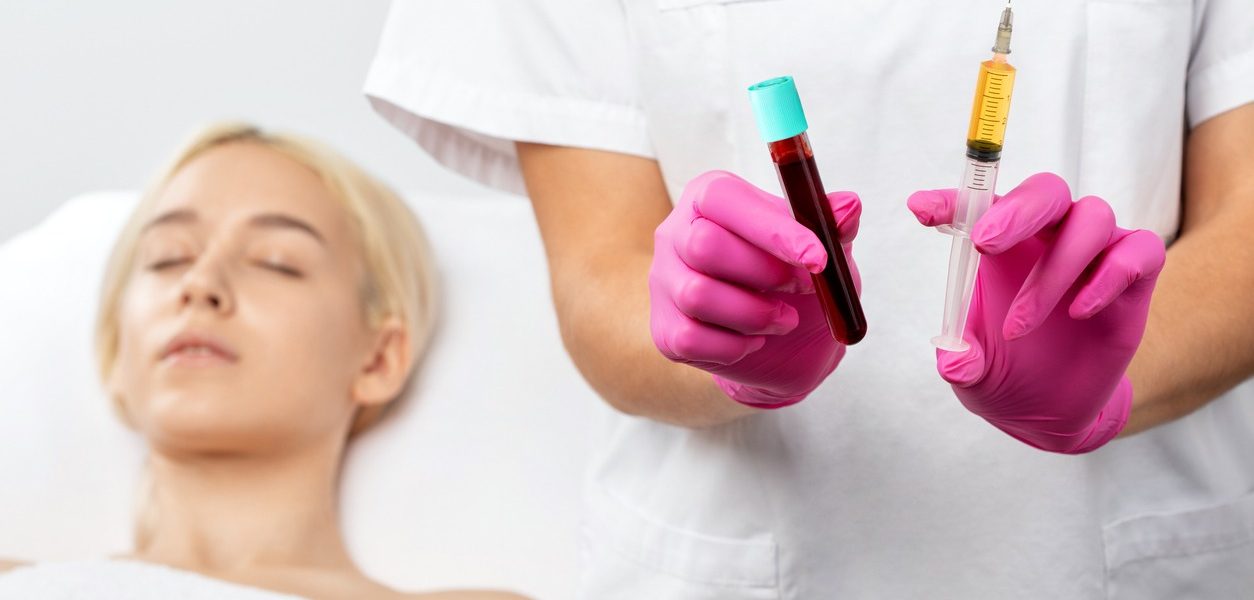
If you’re looking for smoother, brighter, younger-looking skin without surgery, Platelet-Rich Plasma Facials have become one of the most popular regenerative aesthetic treatments available. It is often called the “Vampire Facial” because it harnesses the natural healing abilities of your own blood to stimulate collagen production and improve overall skin quality.
Unlike treatments that simply mask signs of aging, PRP works beneath the surface to encourage your skin to repair itself. The result is healthier, firmer skin that continues to improve over time.
How Does a Platelet-Rich Plasma Facial Work?
A Platelet-Rich Plasma (PRP) facial is a minimally invasive cosmetic treatment that combines microneedling with platelet-rich plasma derived from your own blood.
A small sample of your blood is drawn and placed into a centrifuge, which separates the platelets from the rest of the blood components. These concentrated platelets are rich in growth factors: proteins that help repair tissue, stimulate collagen production, and encourage new cell growth.
To start the procedure, tiny, controlled micro-injuries are created in the skin using a specialized device. These microscopic punctures stimulate your body’s natural wound-healing response, encouraging new collagen and elastin production. After microneedling creates thousands of tiny channels in the skin, the PRP is applied over the face, so it can penetrate deeply and begin the healing process.
Because PRP comes from your own body, there’s virtually no risk of allergic reaction or rejection.
Over the following weeks and months, you’ll see the skin gradually become smoother and firmer. It may also be more radiant and hydrated with a more even skin tone.
What Skin Concerns Can PRP Treat?
PRP facials are commonly used to improve:
Fine lines and wrinkles
Sun damage
Uneven skin tone
Acne scars
Enlarged pores
Mild skin laxity
Dull complexion
Crepey skin
Under-eye darkness (in some patients)
While PRP can produce impressive improvements, it’s best suited for mild to moderate signs of aging rather than severe skin laxity or deep wrinkles.
A Breakdown of the Procedure
A typical PRP facial includes a consultation to evaluate your skin and discuss your goals. As previously mentioned, they will draw a small vial of blood from your arm, similar to routine lab work. The blood is spun in a centrifuge for approximately 10-15 minutes to isolate the platelet-rich plasma. A topical anesthetic will be applied to your skin to minimize the discomfort, and thus begins the microneedling and PRP application!
Most appointments last 60 to 90 minutes, but the actual treatment portion typically takes less than half an hour.
Discomfort and Recovery
Most patients describe the treatment as mildly uncomfortable rather than painful. Because a topical numbing cream is applied beforehand, many people feel only light pressure or a scratchy sensation during microneedling. Areas around the forehead and nose tend to be the most sensitive.
Recovery is relatively quick compared to more aggressive skin resurfacing procedures. During the first 24 hours, your skin will likely appear:
Bright red, similar to a moderate sunburn
Slightly swollen
Warm or tight
Sensitive to touch
Most providers recommend avoiding:
Makeup
Heavy exercise
Excessive sweating
Direct sun exposure
Harsh skincare products
Redness begins to fade after a couple days, but you still may notice mild swelling, dryness, tightness, and light peeling. By the end of the week, most visible signs of treatment should have resolved. You’ll be looking brighter, smoother, and more hydrated — but that’s just the beginning!
The biggest improvements occur gradually over several weeks as new collagen forms beneath the skin. Many patients notice continued improvement for up to three months after treatment.
How Much Does a Platelet-Rich Plasma Facial Cost?
Costs vary depending on geographic location, provider expertise, and whether additional treatments are included.
Typical pricing in the United States is:
Single PRP facial: $700–$1,500
Series of three treatments: $1,800–$4,000
Some practices offer package pricing, which can lower the cost per treatment. Because PRP facials are cosmetic procedures, they are generally not covered by insurance.
How Long Do Results Last?
Most patients begin seeing improvements within 3 to 6 weeks, with full results developing over approximately 2 to 3 months. Results can last for 12 to 18 months for many patients. As always, the best results coincide with consistent skincare and sun protection.
While some patients notice improvement after a single treatment, the best results usually come from a series of treatments. A common recommendation is three treatments spaced four to six weeks apart
After completing the initial series, annual maintenance sessions can help maintain collagen production.
Who Is a Good Candidate?
Platelet-Rich Plasma Facials may be an excellent option for adults who want to:
Improve skin texture naturally
Reduce fine lines
Brighten dull skin
Soften acne scars
Stimulate collagen without surgery
Minimize downtime
Individuals with active skin infections, certain blood disorders, clotting disorders, or those taking certain blood-thinning medications may not be ideal candidates. A consultation with a qualified medical provider can determine whether PRP is appropriate for your situation.
For women with more serious signs of aging, a more aggressive form of skin resurfacing may work better.
Read Next:
Halo Laser Skin Resurfacing is Revolutionary
CO2 Laser Skin Resurfacing After 50: What Women Need to Know Before Taking the Leap